
How to Style a Living Room with Neutral Tones: An Interior Guide

Neutral living rooms succeed through texture, scale, and material contrast, not colour alone. A room painted a single warm white will look flat and lifeless without a minimum of three distinct textures, organic materials (timber, stone, rattan), layered lighting, and deliberate scale variation in furniture and objects. The palette is the foundation; everything else creates the depth.
7 Steps to a Cohesive Neutral Living Room
The following seven steps represent a professional framework for building a neutral living room that reads as intentional and luxurious rather than plain or unfinished. Follow them in sequence; each step builds on the last.
-
1
Choose Your Neutral Foundation (Warm vs Cool)
Before selecting any furniture or textiles, commit to a neutral direction: warm or cool. Warm neutrals, cream, linen, taupe, greige, warm white, have yellow or orange undertones. They feel cosy and enveloping, and work particularly well in Australian homes with abundant warm natural light. Cool neutrals, grey, cool white, stone, slate, have blue or green undertones. They read as more contemporary and minimal but risk feeling clinical without careful material balancing. Test your wall colour at multiple times of day before committing; neutrals shift dramatically as light changes.
-
2
Build a Texture Hierarchy (Minimum 3 Distinct Types)
This is the step most commonly skipped, and the most commonly cited reason neutral rooms look bland. When every surface shares the same finish and visual weight, the palette reads as flat, regardless of how carefully chosen the colours are. The professional rule is a minimum of three textures: smooth (leather, polished stone, glass, lacquered timber), woven (rattan, linen, jute, sisal), and soft (bouclé, velvet, chunky knit, sheepskin). Each texture creates different light interaction, matte absorbs, gloss reflects, woven scatters, producing visual complexity within a single palette.
-
3
Anchor with a Statement Sofa
The sofa is the room's visual and functional anchor, it commands the most floor area and the most visual attention. In a neutral scheme, choose a sofa with a substantial silhouette: deep seat depth, solid arms, and a form that feels considered rather than generic. Fabric matters enormously: bouclé (textured loop weave) is currently the most sought-after choice for luxury interiors; performance linen blends offer beauty with practical durability for family use; performance velvet in warm neutrals adds depth and richness. Avoid pale cotton or microfibre, which flatten under lighting and show wear quickly. Explore the DeRucci living room collection for sofa options designed to anchor a neutral scheme.
-
4
Layer Rugs for Depth
A rug defines the seating zone and adds the room's most important horizontal texture layer. In a neutral scheme, choose a natural fibre flatweave (jute, sisal, wool, or a natural-synthetic blend) as the primary rug; these materials ground a neutral palette with organic warmth. The rug should be large enough that all primary seating furniture sits either fully on it or with at least the front legs on it. A too-small rug is one of the most common, and most visually disruptive, mistakes in living room design. In larger spaces, a layered rug approach (flatweave beneath, textured runner or sheepskin on top) adds dimension.
-
5
Add Warmth with Timber and Natural Materials
Timber introduces the warmth, organic irregularity, and material authenticity that prevents neutral rooms from feeling designed rather than lived-in. Coffee tables, side tables, shelving, and flooring in blonde oak, walnut, whitewashed timber, or mango wood all integrate naturally into a neutral palette. Mix timber tones rather than matching them exactly; varied tones read as collected and considered, while perfectly matched sets can look like a showroom. Stone (marble, travertine, limestone) provides a cool contrast that works beautifully against warm neutrals, particularly as a coffee table top or fireplace surround.
-
6
Introduce a Single Accent Tone
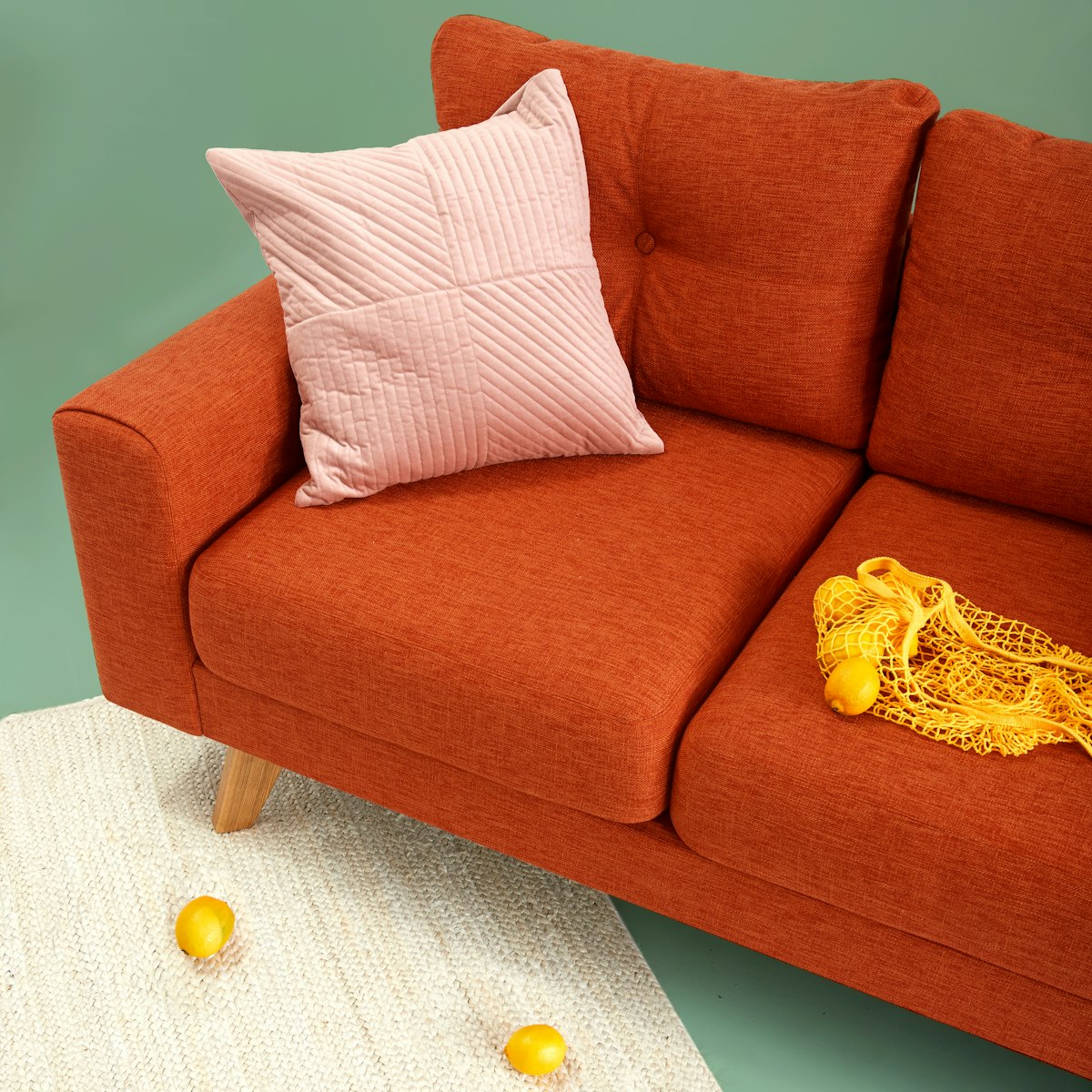
A fully neutral room without any accent risks reading as unfinished or undecided. A single carefully chosen accent, introduced in small doses, provides the visual point of interest that anchors the palette. Dusty terracotta, sage green, aged brass, deep charcoal, and warm clay all work beautifully against warm neutrals without competing with them. The accent should appear in at least three places (the rule of three): cushions, a vase or decorative object, and one textile element. This repetition makes the accent feel intentional rather than incidental.
-
7
Use Greenery to Prevent Sterility
Plants introduce an organic, living element that no other styling choice replicates. In a neutral room, where the palette is deliberately quiet, greenery provides the one element that genuinely cannot be faked: life and movement. One large statement plant (fiddle-leaf fig, olive tree, monstera deliciosa, large-leaf rubber tree) has significantly more impact than multiple small ones. Place it where it receives appropriate light and where it creates scale contrast with surrounding furniture, a tall plant beside a low sofa creates a dynamic vertical element that draws the eye upward and makes the room feel larger.
Warm Neutrals vs Cool Neutrals: Which to Choose?
The single most important decision in a neutral living room is the underlying temperature of your palette. Mixing warm and cool neutrals indiscriminately, cream cushions on a grey sofa, warm timber beside cool stone walls, creates visual tension that the eye registers as something being slightly wrong, even if the viewer cannot identify why.
Commit fully to one direction. If your walls are warm white (yellow undertone), all your textiles, timber finishes, and metal accents should lean warm (honey oak, aged brass, warm linen, terracotta). If your walls are cool grey (blue undertone), lean cool throughout (whitewashed timber, brushed silver, cool white linen, concrete, slate). The result is a palette that feels harmonious and resolved rather than accidental.
The Rule of Three Textures
Common Neutral Living Room Mistakes to Avoid
-
✗Too-small rug: Fix: size up, all primary furniture legs should touch or sit on the rug.
-
✗Single overhead light source: Fix: layer three light sources, ambient, task, and accent, all on dimmers.
-
✗Matching all timber tones exactly: Fix: mix timber tones within the same warm or cool family for a collected, not catalogue, look.
-
✗No texture variation: Fix: apply the rule of three, smooth, woven, and soft, in every zone of the room.
-
✗Too many accent colours: Fix: limit to one accent tone, introduced in three places.
-
✗Mixing warm and cool neutrals: Fix: commit to one temperature and apply it consistently across paint, textiles, and metals.
-
✗No organic elements: Fix: one large plant, one natural stone piece, and timber in at least two furniture items.
Frequently Asked Questions
More from the Sleep Guide


Visit our O'Connor showroom to try our mattresses and furniture in person, or book a free consultation with one of our sleep specialists.
Book a Free Consultation